

Corporate Event Trends That Get Teams Talking
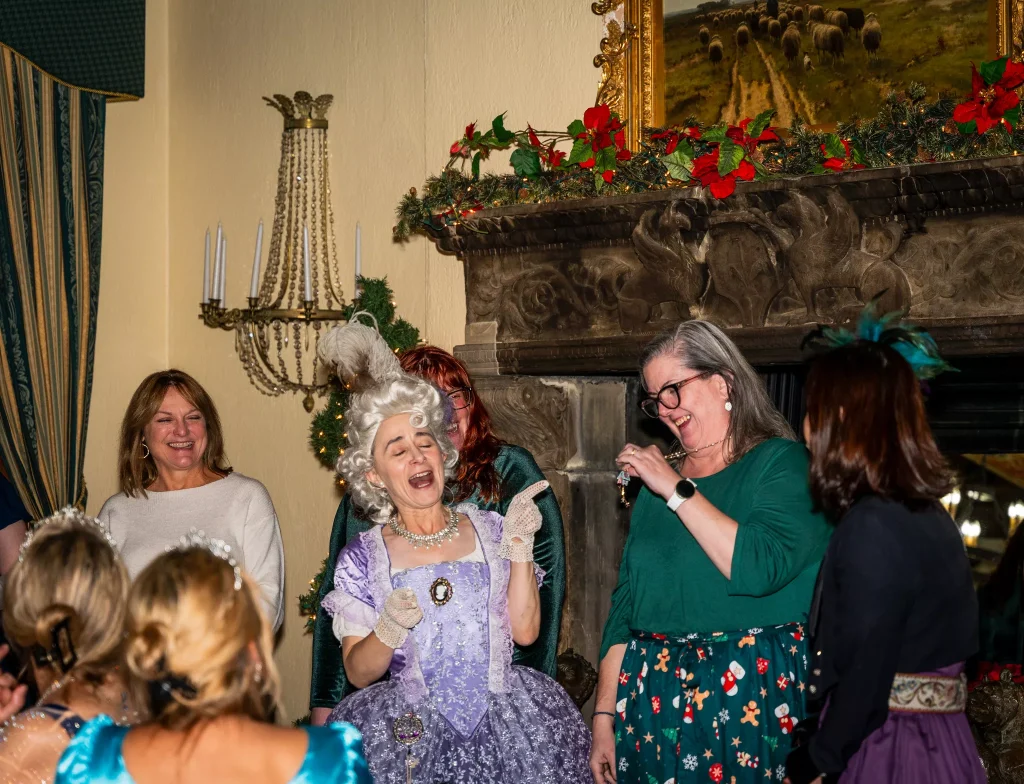
The most revealing moment at a corporate event is not when the keynote ends. It is when people keep talking after they were technically free to leave. That is the standard reshaping corporate event trends: less passive attendance, more genuine participation. Teams want a reason to put their phones down, laugh with people outside their usual meetings, and leave with a story that does not begin with, “Remember those slides?”
For planners, that shift is both exciting and a little suspicious. More engagement sounds great, but not every group wants to wear a costume, perform a solo, or solve a riddle under pressure. The best events create easy ways to join in, respect different personalities, and give everyone a role in the fun.
Corporate Event Trends Are Getting More Interactive
The old event formula was simple: gather people, feed them, make announcements, offer a drink ticket, and hope the networking happens. Food and information still matter, but they no longer carry the whole event. Employees and guests increasingly expect an experience worth making time for.
Interactive entertainment answers that expectation because it gives people something to do together. A murder mystery, escape-room-style challenge, game show, collaborative CSI case, or hosted competition turns strangers and coworkers into allies, suspects, and amateur detectives. Suddenly, conversation has a starting point.
The key is structured participation. An unplanned networking hour can feel like a room full of people waiting for someone else to speak first. A facilitated experience gives the room a shared objective, a little friendly chaos, and permission to engage. That is especially valuable for teams with new hires, hybrid schedules, or departments that rarely cross paths.
Not every activity needs to be high-energy from start to finish. Strong hosts create multiple ways to participate: solving clues, sharing observations, cheering on teammates, or simply enjoying the comedy from the sidelines. No one should feel like they are being called to the witness stand without warning.
Experiences Beat Generic Perks
Swag bags have their place. So does a well-stocked dessert table. But another tumbler rarely becomes an office legend. Shared experiences do.
Companies are putting more thought into events that build an emotional memory, not just fill a calendar slot. This does not mean every outing needs a massive production budget. It means choosing an activity with a clear beginning, middle, and payoff. When people collaborate to crack a case or discover that the quiet analyst is secretly hilarious, the team gets something more lasting than a branded snack box.
This trend also reflects a broader change in how employees view company culture. People want to feel included, recognized, and connected to the humans behind the job titles. A thoughtfully hosted event can support that goal without turning fun into a forced lesson about productivity.
There is a trade-off, of course. Experience-led events require more intentional planning than booking a restaurant patio. Planners need to consider group size, accessibility, timing, dietary needs, energy level, and whether the event is meant to celebrate, welcome, reward, or reconnect. The payoff is a gathering that feels designed for the group instead of copied from the last company holiday party.
Hybrid Events Need a Reason to Exist
Virtual corporate events are no longer a novelty, and that is actually useful. The question is not whether an event can happen online. Almost anything can. The better question is whether the format gives remote participants an equally good seat at the table.
The strongest hybrid and virtual events are built for participation from the beginning. A livestream of an in-person awards dinner may keep remote employees informed, but it does not automatically make them feel included. Interactive formats work better because everyone receives clues, makes decisions, contributes to a team, and shares in the outcome.
For fully remote teams, a virtual mystery or collaborative investigation can be a welcome change from another grid of muted faces. For companies with offices spread across several cities, it offers a practical way to bring people together without the expense and logistics of travel. It can also work beautifully as a shorter morale boost between larger in-person gatherings.
Still, virtual is not always the answer. If a team is craving face-to-face time after months apart, a digital event may feel like one screen too many. The smart move is to match the format to the moment. Use virtual experiences for accessibility and reach. Choose in-person events when physical presence is part of the point.
Personalization Is Replacing One-Size-Fits-All Fun
Corporate groups are not interchangeable, and event planners are getting more specific about what success looks like. A sales team celebrating a banner quarter may want bold competition and a big reveal. A leadership retreat may prefer a social experience that encourages conversation without turning everyone into a contestant. A holiday party needs festive energy, while an onboarding event needs low-pressure connection.
That is why customizable experiences continue to gain ground. Personal touches can include themed clues, a company-specific introduction, customized awards, or a format chosen around the group’s personality. The goal is not to cram the company logo into every clue. It is to make the event feel like it belongs to the people in the room.
Personalization should be used with restraint. Overloading an activity with internal jokes can exclude newer employees or guests. Building a whole event around competition can be a miss for a team dealing with burnout. Good customization makes people feel seen. Bad customization makes them feel like they missed a memo.
Play Is Becoming Serious Business
There is a reason gamification keeps appearing in conversations about employee engagement. Play gives adults a break from the polished, professional version of themselves they bring to meetings. It creates a shared challenge where listening, creativity, and collaboration matter in real time.
That does not mean an event needs to disguise itself as training. People can spot a lecture wearing a funny hat from across the ballroom. The most effective team experiences lead with entertainment and let the connection happen naturally. A group working through a mystery may practice communication and problem-solving, but the real hook is the delicious possibility that someone at the table did it.
This matters because teams build trust through small moments. Someone takes a creative risk. A manager laughs at themselves. Two coworkers who normally communicate through ticketing software discover they make a surprisingly effective detective duo. Those moments are difficult to manufacture in a conference room and easy to remember after a great shared experience.
Mystery Cafe has seen this firsthand: when guests are given a case, a few suspicious characters, and permission to play, the room starts working together before anyone has to say the words “team building.”
Events Are Being Designed for Belonging
The best corporate gatherings do not reward only the loudest people in the room. Current corporate event trends place more value on inclusive participation, thoughtful pacing, and choices that welcome different comfort levels.
That can mean providing clear expectations before the event, avoiding activities that require public embarrassment, and offering roles for both competitive players and observant contributors. It can also mean considering practical access needs, alcohol-optional social formats, and event times that work for caregivers and employees in different time zones.
Inclusion does not make an event less fun. It makes the fun easier to join. When people know they will not be pressured into an uncomfortable spotlight, they are more likely to relax, participate, and surprise themselves.
What to Ask Before You Book
Before choosing an event, get clear on the feeling you want people to take home. Do you want celebration, connection, laughter, friendly competition, or a chance for people to meet beyond their usual department? A clear answer will narrow the field faster than a dozen generic activity descriptions.
Then consider the group honestly. How many people are attending? Are they in one room, several offices, or fully remote? Is this a team that loves a challenge, or a group that needs a gentle invitation to mingle? What is the available time, and will attendees be arriving energized, hungry, or mentally spent after a full day of meetings?
A good event partner should help you shape the experience around those answers. The goal is not to put on the biggest show. It is to create the kind of room where people lean in, laugh freely, and leave with at least one new connection.
Your next corporate event does not need more agenda items. It needs a little intrigue, a clear invitation to participate, and just enough mystery to give everyone something worth talking about on Monday.

