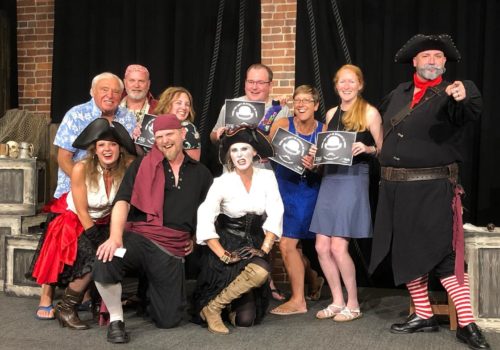

Interactive Entertainment That Gets Groups Talking

A forgettable group event usually has one suspect: passive entertainment. People watch, make polite small talk, check their phones, and leave with little more than a name tag and a leftover cookie. Interactive entertainment changes the evidence. It gives guests a reason to talk, collaborate, laugh, compete, and occasionally accuse the quiet person from accounting of a completely fictional crime.
That shift matters whether you are planning a corporate outing, a birthday gathering, a client event, or a virtual team session. The best shared experiences do more than fill a calendar slot. They create stories people retell afterward.
What Makes Interactive Entertainment Different?
Interactive entertainment asks the audience to participate rather than simply observe. Guests may question suspects, solve clues, make choices, play a character, crack codes, or work as a team against the clock. The format provides enough structure to keep momentum moving, but enough freedom for people to bring their own humor and personality to the room.
A murder mystery dinner is a classic example. Instead of sitting through a show from a safe distance, guests become part of the action. They listen closely, compare theories, spot suspicious behavior, and decide who had motive, means, and a flair for dramatic exits. The story becomes a social engine, not just background noise.
That is why these experiences work especially well for adult groups. Conversation comes built in. Nobody has to invent an icebreaker while balancing a drink and scanning the room for an escape route. The game gives people a shared mission from the start.
Why Groups Remember Participation
People tend to remember how an event made them feel more than the exact agenda. A well-run interactive experience creates moments of surprise, friendly rivalry, teamwork, and genuine laughter. Those moments stick because guests had a hand in making them happen.
For companies, participation can soften the usual workplace dynamics. A manager and a new hire can compare clues as equals. Departments that rarely cross paths can suddenly become co-conspirators. Remote colleagues get a chance to see more of one another than a tiny square on a weekly video call.
It is not magic, and it will not turn every reserved guest into a scene-stealing detective. But it creates low-pressure opportunities to join in. Someone who does not want a starring role can still solve a clue, vote on a suspect, or cheer on their team. That range is one of the reasons interactive formats are more inclusive than activities that depend on a few loud personalities carrying the fun.
Interactive Entertainment for Corporate Teams
Corporate events have a difficult job. They need to feel worth attending without feeling like mandatory fun in a different hat. The strongest programs give people a break from routine while still delivering something useful: stronger connections, clearer communication, and a shared win.
A mystery, CSI-style investigation, or escape room does this naturally because teams must notice details, exchange information, and make decisions together. The stakes are playful, but the collaboration is real. One person may spot a pattern while another connects it to a clue the group nearly ignored. Suddenly, the meeting is not about who speaks the most. It is about who helps move the case forward.
Virtual experiences can be just as effective when they are designed for the screen rather than squeezed awkwardly into it. A hosted virtual mystery gives remote teams a reason to interact beyond the usual status updates. Breakout conversations have a purpose. Chat messages become part of the investigation. Cameras come on because people want to see who is making that suspiciously convincing alibi.
The right format depends on the group. A high-energy sales team may enjoy a competitive challenge with fast rounds and bold characters. A cross-functional team that does not know one another well may prefer a guided mystery with plenty of shared problem-solving and no pressure to perform. A professional host can keep the pacing sharp, explain the rules clearly, and make sure the fun does not get lost in logistical clutter.
Choosing the Right Kind of Group Experience
Start with the feeling you want guests to take home. If the goal is laughter and celebration, a live murder mystery with comic characters and a meal can make the evening feel special without requiring guests to plan every detail. If the goal is team bonding, a CSI investigation or escape-room-style challenge may put collaboration front and center.
Then consider the group itself. Event planners often worry that an interactive experience will be too demanding for introverts. Usually, the opposite is true when the format is well designed. Participation should be invited, not forced. Look for an experience with layered roles: guests can observe, discuss, investigate, and volunteer at their own comfort level.
Timing matters, too. A quick virtual activity can energize a 60-minute team gathering, while an in-person dinner mystery gives a larger celebration room to unfold. For private parties at home, a DIY mystery kit can turn a familiar living room into a crime scene with far less planning than building an entire event from scratch. The best option is not always the loudest one. It is the one that fits your people, space, schedule, and appetite for theatrical mischief.
The Host Is Part of the Experience
A clever premise helps, but facilitation is what keeps an interactive event from feeling chaotic. Guests need to understand what is happening, when to participate, and how to get involved without overthinking it. A skilled host reads the room, keeps the story moving, makes space for different personalities, and knows when to heighten the suspense or land a joke.
That is especially valuable for corporate groups and large celebrations. The organizer should not have to spend the night explaining rules, chasing down clues, or rescuing a stalled activity. They should be able to enjoy the event along with everyone else. Leave the evidence handling to the professionals.
Mystery Cafe has spent decades turning groups into sleuths, suspects, and very enthusiastic witnesses. From public dinner theater to private events, virtual mysteries, CSI experiences, escape rooms, and at-home cases, the goal stays the same: give people a reason to connect while having so much fun it feels almost against the law.
A Better Alternative to Another Ordinary Outing
Dinner alone can be pleasant. A happy hour can be easy. A meeting with a themed slide deck can, technically, be an event. But none of those automatically gives a group a shared story.
Interactive entertainment does. It supplies the spark, the structure, and the little bit of theatrical danger that makes people lean in. Guests do not need to be puzzle champions or aspiring actors. They only need curiosity, a willingness to play along, and perhaps a healthy distrust of anyone standing near the body.
When you are choosing your next group experience, look for the one that turns strangers into teammates and coworkers into co-conspirators. Give people a case to crack, a reason to laugh, and an excuse to talk long after the final clue is revealed.