
Private Event Booking Guide for a Killer Night
A great private event does not happen because someone found a room and sent a calendar invite. It happens when the guest list, the energy, and the entertainment all have a reason to be in the same room. This private event booking guide is for planners who want more than polite small talk, a buffet line, and an early exit. We’re talking laughter, participation, a few suspicious characters, and the kind of shared story people bring up long after dessert.
Whether you are organizing a corporate outing, birthday, client celebration, family reunion, or friends’ night out, the goal is the same: make it easy for people to connect. Here is how to book an event that feels less like an obligation and more like a case nobody wants to leave unsolved.
Start With the Outcome, Not the Venue
Before comparing menus, meeting rooms, or entertainment packages, decide what you want guests to feel when the event is over. A sales team may need a relaxed way to build rapport after a demanding quarter. A birthday group may want big laughs and a guest of honor who gets a starring role. A client event may call for polished hospitality with enough activity to keep conversation moving naturally.
That outcome should guide every booking decision. If your team is quiet around one another, an interactive experience can create a reason to talk. If your group already has plenty of personality, choose a format that gives them room to play without forcing everyone into the spotlight. The best private events do not make every guest behave the same way. They give outgoing people a chance to shine and reserved people an easy way to join in.
Write down the basics early: your occasion, approximate headcount, preferred date range, budget range, age considerations, and whether the gathering is in person, virtual, or hybrid. This is not glamorous detective work, but it prevents last-minute plot twists.
Choose Entertainment That Fits Your Group
Passive entertainment has its place. Sometimes a band, speaker, or movie screening is exactly right. But if the purpose of your event is bonding, a shared activity usually does more of the heavy lifting. Guests remember what they did together, not just what played in the background.
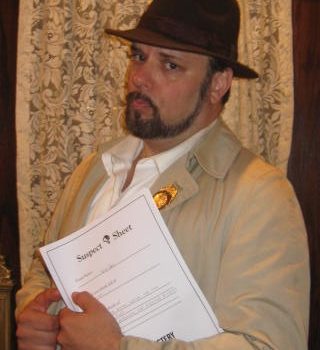
Interactive murder mystery dinner theater works particularly well when you want conversation, comedy, and teamwork built into the evening. Guests can question suspects, follow clues, make accusations, and root for their tables. Nobody needs acting experience or a trench coat. A professional host creates the structure, keeps the pace moving, and makes participation feel fun rather than frightening.
For corporate groups, consider the difference between “team building” and a team activity people will voluntarily mention on Monday. A virtual CSI experience, escape-room-style challenge, or hosted mystery can encourage communication without turning the event into a trust fall with snacks. For social celebrations, a live mystery adds a little mischief to the room while still leaving space for food, photos, and catching up.
Format depends on the group. A smaller gathering may thrive with a DIY mystery played at home. A larger company event may need hosted performers, clear rounds of gameplay, and a production partner who can manage the details. If guests are spread across cities, virtual entertainment removes travel from the equation. If they are gathering in Boston, New York, Providence, or another nearby city, an in-person show can turn a standard dinner into a full-blown affair.
Ask the Questions That Prevent Booking Regret
A private event booking guide should be honest about this: the lowest quoted price is not always the lowest total cost. Ask what is included before you compare packages. Does the entertainment provide a host, actors, sound support, props, prizes, or materials? Is setup time included? Are there travel, venue, service, or technology fees? Can the experience fit around dinner service, speeches, or awards?
You also want clarity on the event flow. Ask how long the activity lasts, when guests are expected to arrive, and how much time is needed for setup and teardown. If your venue has a strict end time, do not book a program that needs another 45 minutes to reach its grand reveal.
For virtual events, ask about the platform, guest access, technical requirements, and how facilitators handle large groups. A good virtual event should not feel like another video meeting where everyone stares silently at a grid of faces. Look for breakout opportunities, clear instructions, and a host who knows how to keep momentum alive.
Finally, review cancellation and rescheduling terms before signing. Dates move. Headcounts change. The culprit is often an executive calendar conflict. Knowing the policy upfront protects your budget and your sanity.
Build the Schedule Around Guest Energy
Timing can make a terrific experience feel flat or make a simple one feel electric. For evening celebrations, give people a little arrival time before launching into the main event. Guests need a chance to get a drink, find their table, and say hello before they are asked to solve a crime.
For a dinner event, entertainment can be woven between courses. That creates natural pauses, gives guests something to discuss at the table, and avoids the dreaded stretch where everyone watches the clock while waiting for coffee. For a corporate gathering, consider starting with a brief welcome, then move quickly into the activity before attention wanders toward email.
Do not overschedule. A packed agenda can drain the fun out of a party faster than a bad alibi. Leave breathing room for photos, informal conversation, and whatever delightful chaos your guests create. If you need announcements or recognition, keep them concise and place them where they will not interrupt the main reveal.
Make Food, Space, and Participation Work Together
Your venue should support the experience, not fight it. For an interactive event, guests need to see and hear the host, move through the room comfortably if needed, and talk with the people at their table. A long, narrow room with poor acoustics can make even a lively group feel disconnected. Ask about microphone access, speaker placement, lighting, and sightlines before finalizing the room.
Food matters, but it should not dominate the schedule. A seated meal works beautifully for a story-driven dinner show because courses create built-in chapters. Cocktail receptions are better for casual mingling, though they may need more intentional game structure to keep guests engaged. If you have dietary needs, collect them early and share them with the venue in one organized list.
Participation is where planners sometimes get nervous. They worry their colleagues will not play along or that one enthusiastic guest will take over. The answer is not to eliminate participation. It is to book a format with skilled facilitation. The right host reads the room, invites involvement without pressure, and gives every guest a way to contribute – from clue-hunting super sleuths to the person who would rather observe with a suspiciously accurate cocktail in hand.
Send Invitations That Set the Tone
Your invitation should explain enough to build excitement without spoiling the surprise. Tell guests whether they will be participating, whether costumes are optional, when to arrive, and if dinner or drinks are included. If the event has a theme, give a simple suggestion rather than an intimidating costume mandate. “Dress for a night of mystery” is welcoming. “Arrive in a historically accurate 1920s ensemble” may cause a few people to mysteriously disappear from the RSVP list.
For work events, be clear that participation is encouraged but the atmosphere is social, not a performance review. For friend groups, lean into the fun: mention the theme, tease the stakes, and let them know an alibi may be required.
Give Your Host the Details That Matter
Once you book, share useful context with your entertainment partner. Let them know whether there is a guest of honor, an anniversary, an award recipient, or a manager who would enjoy a gentle moment in the spotlight. Flag accessibility needs, sensitive topics, company culture, and any guests who should not be singled out.
This is where an experienced provider earns their keep. Mystery Cafe has spent decades turning groups of coworkers, friends, and strangers into accomplices for an evening. The more your host understands the room, the more naturally the experience can fit your people.
A private event is not successful because every minute goes exactly as planned. It is successful because guests feel welcome, included, and pleasantly surprised by what happened together. Give them a reason to laugh, talk, and accuse one another of a very fictional crime. That is a far better ending than another night where everyone quietly checks their phone.