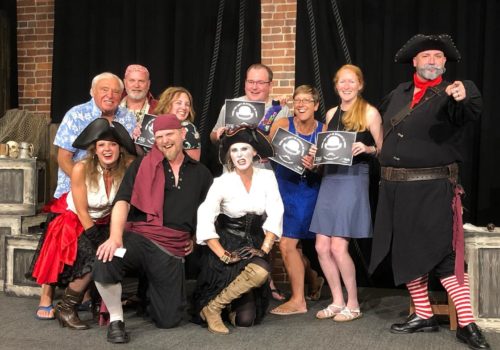

Virtual Events That Get People Talking Afterward
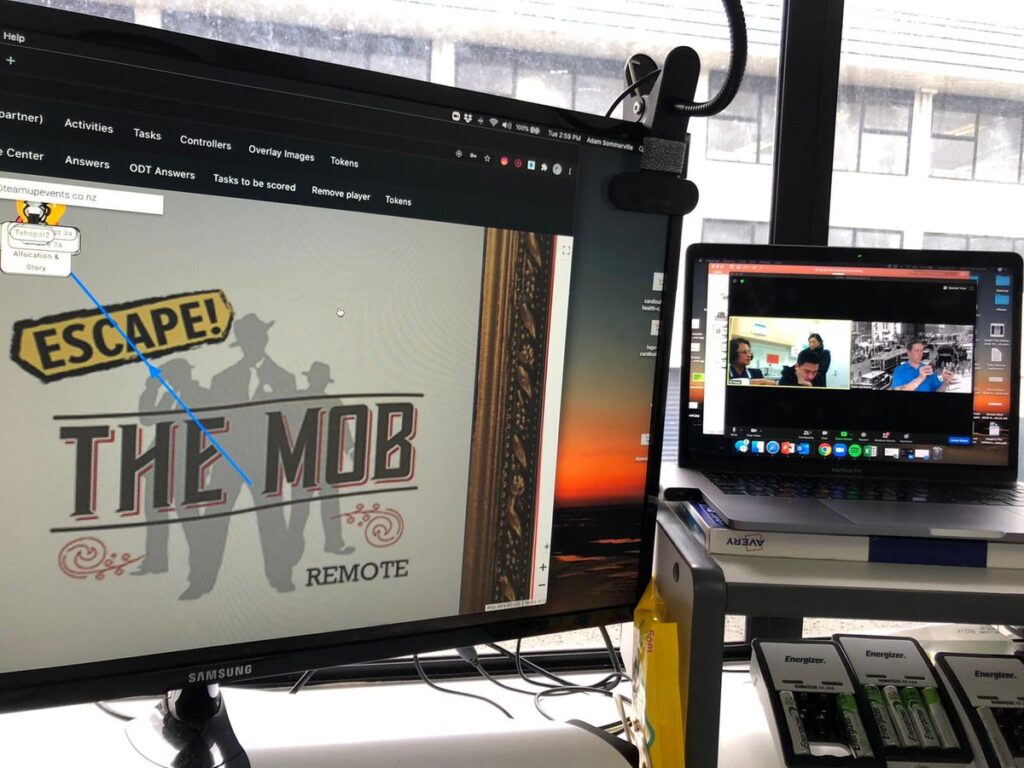
A video call with 30 silent squares is not an event. It is a calendar obligation with a camera on. The best virtual events give people a reason to speak up, compare notes, laugh at the unexpected, and stay curious about what happens next. That takes more than a branded background and a cheerful host asking everyone to unmute.
For remote teams, distributed friend groups, and planners trying to create a real shared moment, the goal is not to recreate an office meeting online. The goal is to make the screen disappear into the experience. A murder mystery, CSI investigation, or escape-room-style challenge can do exactly that: put everyone in the same story, give them a role to play, and turn participation into the main event.
Virtual Events Need a Reason to Participate
People show up differently when they have a job to do. Give someone a case file, a suspicious alibi, or a code that only makes sense when three teammates compare clues, and suddenly the chat comes alive. The experience has a little friendly pressure, a clear purpose, and room for personalities to show.
That is why passive entertainment often falls flat for team building. Watching a performer can be pleasant, but it does not necessarily create conversation between coworkers who rarely interact. Interactive formats create low-stakes reasons to collaborate. The new hire can spot a detail everyone else missed. The quiet analyst can become the lead detective. The manager can be hilariously wrong about the culprit. That is good for morale, and frankly, it is more fun.
A strong virtual experience also levels the playing field. Nobody needs to be the loudest person in the room or have the quickest answer. Great game design makes space for observation, deduction, communication, and a willingness to take a wild guess when the evidence gets weird.
Start With the Outcome, Not the Platform
Before choosing an activity, decide what you want people to leave with. If the answer is simply that they had fun together, a lively interactive mystery can be the right call. If you need cross-functional collaboration, choose an experience built around shared information and problem-solving. If the group includes clients or a milestone celebration, look for something polished, hosted, and easy for guests to join without a tutorial worthy of a detective academy.
For a remote team that has spent months in status meetings, the best choice is usually a sharp change of pace. A virtual CSI experience gives participants evidence to examine and a case to crack together. A virtual escape room adds urgency, puzzles, and a satisfying race against the clock. A murder mystery brings character, comedy, accusation, and the kind of office-safe suspicion that can make a Thursday afternoon unexpectedly memorable.
The format depends on the crowd. Competitive groups may love a timed challenge and a leaderboard. A mixed group of colleagues who do not know one another well may respond better to a hosted mystery that creates easy conversation without putting anyone under a spotlight. There is no single culprit here. The right event is the one that fits your people.
Think about group size and energy
A small group can enjoy more direct interaction, while a large company gathering needs a host who can manage momentum, instructions, and participation without letting people drift into email. Bigger is not automatically better. A 40-person event can feel intimate when teams have clear assignments and enough chances to contribute.
Timing matters too. A 45- to 60-minute experience is often the sweet spot for a workday event, especially if it includes a quick welcome and time for a post-game victory lap. If you are planning a social gathering, an evening experience can run longer and lean further into costumes, cocktails, and theatrical chaos.
What Makes Interactive Virtual Events Work
The difference between a forgettable online activity and a story people bring up next week is usually structure. Guests need to know where they are, what they are trying to solve, and what to do next. They also need enough surprise to keep them from predicting the entire plot before the first clue drops.
Look for these four ingredients when evaluating an event:
- A professional host who sets the tone, keeps the pace moving, and makes participation feel inviting rather than forced.
- A clear shared objective, whether that is identifying a killer, catching a criminal, escaping a scenario, or earning the highest score.
- Meaningful interaction among participants, not just polls or a chat box collecting one-word answers.
- A story with twists, humor, and enough clues for people to form theories before the reveal.
Technology should support the game, not become the game. Participants should not need to download five apps, build an avatar, or troubleshoot a complicated system before the first laugh. The smoother the joining process, the more quickly the group can get to the good stuff: interrogating suspects, arguing over evidence, and claiming they definitely knew the answer all along.
Give Your Group Permission to Be Playful
Many adults need a tiny nudge before they will fully join an interactive experience, particularly with coworkers. A playful invitation makes a difference. Tell guests they do not need acting experience, detective credentials, or a fedora. They only need curiosity and a willingness to follow the clues.
The host matters enormously here. A skilled facilitator can pull in the enthusiastic participant without allowing them to commandeer the case. They can invite quieter guests to weigh in without making anyone feel called out. They can also adapt when a group gets particularly competitive, particularly silly, or suddenly convinced the CFO is the fictional murderer.
This is where experienced interactive entertainment companies earn their keep. Mystery Cafe has spent decades turning groups into suspects, sleuths, and co-conspirators, with hosted formats designed to make participation feel natural. The result is less like another online meeting and more like a night out that happened to fit on everyone’s laptop.
Plan the Details That Protect the Fun
Even the most entertaining experience can lose momentum if the invitation is vague or the logistics are an afterthought. Give guests a simple arrival time, a clear joining instruction, and a one-sentence tease of what they are walking into. Something like, “A crime has been committed, and your team is needed,” beats “Please attend the optional engagement activity.” One sounds like a story. The other sounds like paperwork.
Ask ahead whether the event will include breakout teams, whether attendees need to bring anything, and whether cameras are encouraged. Cameras are not always essential, but seeing faces helps the group read reactions, celebrate breakthroughs, and enjoy the occasional look of outrage when a trusted teammate becomes the prime suspect.
If you are hosting employees across time zones, schedule with care. An afternoon slot for one coast may be a lunch-hour squeeze for another. For client groups and private parties, send a reminder the day before and another shortly before start time. A little operational polish keeps the opening minutes from turning into a missing-person case.
Avoid the Usual Virtual Event Crimes
The first offense is choosing an activity with no real stakes. If nobody needs to decide, solve, build, or react, attention will wander. The second is making participation mandatory in the most awkward way possible. Not every guest wants to perform, but nearly everyone can contribute when the format offers multiple paths into the action.
Another common mistake is treating the event as a substitute for communication problems. A virtual game can help people reconnect, but it cannot repair a team that never has time to collaborate or a culture where nobody feels heard. Think of it as an energy boost and a relationship-builder, not a magic alibi.
Finally, do not overpack the agenda. If your group has just finished a long planning session, give them a few minutes to reset before the game begins. Protect the event from extra announcements, presentations, and forced networking. You booked an experience, not a meeting with a suspiciously fun icebreaker attached.
The right virtual event gives people something rare: a shared story they helped create. Weeks later, they may not remember every clue, but they will remember who cracked the code, who accused the wrong person with total confidence, and how good it felt to laugh together from different places. That is a case worth closing.