
7 Top Interactive Dinner Experiences to Try

The first clue that a dinner is going to be memorable is usually a little noise: laughter from one end of the table, a suspicious accusation from the other, and someone suddenly realizing they have been drafted into the evening’s main event. The top interactive dinner experiences turn a meal into a shared story, giving guests more to do than politely discuss the weather between courses.
That matters whether you are planning a company outing, a birthday, a client event, or a long-overdue night with friends. A great interactive dinner gives the group a reason to talk, collaborate, compete, and laugh together. The best fit depends on how adventurous your guests are, how much structure you want, and whether everyone is gathering in person or from afar.
What Makes an Interactive Dinner Worth Booking?
A themed menu alone does not make an experience interactive. The participation needs to feel purposeful. Guests might question suspects, solve clues, make strategic decisions, cook as a team, or influence what happens next. There should be enough guidance that shy guests can join in without feeling put on the spot, while the natural performers have room to shine.
The sweet spot is structured fun. If an activity is too loose, planners wind up doing the hosting work themselves. If it is too rigid, it can feel like a mandatory meeting with appetizers. Professionally hosted experiences keep the momentum moving, explain the rules clearly, and give guests an easy path into the action.
7 Top Interactive Dinner Experiences for Groups
1. Murder Mystery Dinner Theater
A murder mystery dinner is the classic choice for good reason. Guests enjoy a meal while a crime unfolds around them, then gather clues, question suspicious characters, and try to name the culprit before the big reveal. It delivers comedy, conversation, and just enough friendly suspicion to make even a familiar group see one another differently.
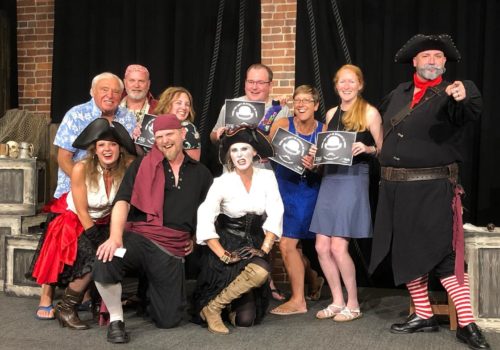
This format works particularly well for corporate teams and private parties because participation can happen at different comfort levels. One guest may enthusiastically interrogate every suspect, while another quietly spots the clue that cracks the case. Mystery Cafe brings the hosted theatrical energy that keeps the plot moving and makes the whole room feel involved, not merely seated near a show.
2. Interactive Dinner Shows
Not every group wants to solve a crime. Interactive dinner shows can center on comedy, music, improvisation, historical characters, or a wildly themed storyline. The key difference from a conventional performance is that the audience affects the fun. They may vote, volunteer, respond to characters, or become part of a scene.
This is a strong pick for mixed groups where some guests love a puzzle and others would rather enjoy a big personality-driven night out. Ask how much guest participation is expected before you book. A light-touch show is ideal for a client dinner or a group of introverts; a highly participatory one may be perfect for a birthday crew that came ready to cause a little harmless trouble.
3. Chef-Led Cooking Challenges
Cooking challenges give dinner a built-in mission: make something delicious before the clock runs out. Teams might build a pasta dish, decorate desserts, tackle a mystery basket of ingredients, or compete in a friendly cook-off judged by a chef. The reward is immediate because everyone gets to eat the evidence.
This experience is especially good for teams that enjoy hands-on collaboration. It naturally reveals who plans, who improvises, and who somehow turns into the appointed garnish supervisor. It does require a venue with the right kitchen setup, and it may not suit guests with extensive dietary restrictions unless the organizer can accommodate them thoughtfully.
4. Escape Room Dinners
An escape room dinner combines puzzles, timed challenges, and a meal before, after, or between stages of play. Some experiences place the dinner inside the storyline itself, asking guests to decode messages or uncover hidden objects at the table. Others pair a traditional escape room with a nearby group meal.
For analytical groups, this can be a serious crowd-pleaser. The strongest versions spread different kinds of puzzles across the group so that wordsmiths, visual thinkers, and detail people all get a moment to contribute. Keep team size in mind, though. Very large groups may need parallel games or smaller breakout teams to prevent a few fast solvers from taking over the entire investigation.
5. Trivia and Game Show Dinners
A hosted trivia or game show dinner can turn nearly any venue into a lively competition. Think quick rounds, team names, music clips, pop-culture questions, visual puzzles, and a host who knows how to keep score without killing the mood. Dinner adds a relaxed social rhythm that a standard bar-trivia night often lacks.
This option is easy to tailor for company culture, a reunion, or a celebration. Custom questions can make the group feel seen, but do not overdo the inside jokes. The best game show dinners give newcomers and quieter guests an equal chance to play. A balanced mix of questions is more fun than an evening designed to prove who has memorized the most movie quotes.
6. Murder Mystery Train or Bus Experiences
For groups that would rather not stay put, a moving mystery brings the scenery into the story. Guests travel by train, trolley, or bus while characters stir up trouble, clues surface, and suspects become harder to track down. The motion gives the evening a field-trip energy that feels especially fresh for regional outings and celebrations.
This format creates a built-in sense of occasion, but logistics deserve attention. Confirm accessibility, ride length, meal service, weather contingencies, and whether guests will be seated together. It is a terrific choice when the journey is part of the appeal, not simply transportation with a costume on.
7. Virtual Interactive Dinner Parties
Distance does not have to be the alibi for a forgettable team event. Virtual mysteries, CSI investigations, and hosted game experiences let remote colleagues or far-flung friends share a structured activity while enjoying dinner from their own locations. A good host creates enough interaction that screens become part of the game rather than a barrier to it.
Virtual events work best when the schedule is clear and participation is easy. Sending a meal stipend can help create the feeling of a shared dinner, though it is not required. For distributed companies, this is often more inclusive than flying everyone to one city, and it can still deliver the laughter, collaboration, and bragging rights of an in-person event.
How to Choose the Right Interactive Dinner Experience
Start with your group, not the theme. A sales team that loves spirited competition may thrive in a game show or cooking challenge. A cross-functional team that needs better conversation may get more out of a murder mystery, where guests naturally compare clues and theories. For a client event, choose an experience with optional participation so nobody feels ambushed by the spotlight.
Next, think about the outcome you want. If the goal is celebration, look for high-energy comedy and easy participation. If the goal is team building, prioritize formats that require cooperation rather than a single winner. If you want an elegant night with a memorable twist, dinner theater offers a polished balance of food, entertainment, and conversation.
Finally, protect the guest experience with a few practical questions. How long does the event run? Is the meal included? Can the format handle your group size? Are dietary needs, accessibility, and venue details addressed? A little planning now prevents the sort of mystery nobody enjoys: where everyone is supposed to park.
Give Guests a Role, Not Just a Reservation
The most successful interactive dinners leave people with stories they tell later. Someone made an outrageous accusation. Someone solved the impossible clue. Someone discovered an unexpected talent for dramatic testimony. Those moments happen when guests are invited to participate without being pressured to perform.
Pick an experience that matches your group’s personality, then let the host handle the twists, turns, and suspicious behavior. Your only job is to gather your favorite co-conspirators and arrive ready for dinner with a side of delightful mayhem.