
9 Group Games for Milestone Birthdays That Work
A 30th, 40th, 50th, or 60th birthday deserves more than a round of cake, a few photos, and everyone slowly drifting toward the door. The best group games for milestone birthdays give guests a reason to mingle, laugh, and make the guest of honor feel gloriously seen – without turning the party into mandatory fun.
The trick is choosing activities that fit the room. A close-knit group may happily trade embarrassing stories. A mixed crowd of family, coworkers, neighbors, and old friends may need a game with easy rules and low-pressure participation. Either way, the winning game is one that creates conversation instead of sending everyone to their phones.
What Makes a Milestone Birthday Game Land?
Milestone birthdays bring together people from different chapters of a life. College friends may not know the cousins. The new coworkers may not know the spouse. A good game closes those gaps quickly, but it should not require a 20-minute rules briefing or Olympic-level enthusiasm.
Look for games with a clear beginning and end, room for people to opt in, and a connection to the guest of honor or the party theme. Plan for the energy you actually have, too. A seated dinner party calls for trivia or storytelling. A backyard gathering can handle a photo hunt or relay. If guests are meeting for the first time, team games are usually safer than putting individuals on the spot.
And one practical note: not every game needs a prize. The loudest table, the first team to solve a clue, or the right to crown the birthday VIP can be plenty. The real payoff is the story guests tell afterward.
9 Group Games for Milestone Birthdays
1. How Well Do You Know the Birthday Star?
Ask the guest of honor for answers to 10 to 15 questions before the event. Mix easy facts with playful curveballs: first concert, worst job, dream road trip, most-used phrase, or the food they would defend in court. Guests answer individually or in teams, then the birthday star reveals the truth.
This works because everyone learns something, including people who thought they knew everything. Keep the questions affectionate. A milestone birthday is a celebration, not a deposition.
2. The Decades Challenge
Choose questions, songs, commercials, movie lines, or pop-culture images from the decade when the guest of honor was born and the decades that followed. Teams earn points for identifying the year, artist, film, or trend.
For a 50th birthday, you can build rounds around the 1970s, 1980s, 1990s, and beyond. This game is especially good for multigenerational groups because every age gets a chance to shine. Just do not make it so obscure that guests feel like they need a museum curator on their team.
3. Two Truths and a Birthday Lie
Each guest writes down two true memories involving the birthday person and one invented tale. Read them aloud while the room guesses the fake. The best lies are believable enough to cause a little side-eye, but not so wild that they give themselves away immediately.
This is a smart choice for an intimate party where guests know the honoree from different phases of life. It also produces the kind of surprising revelations that make a birthday dinner run long in the best way.
4. Birthday Bingo
Create bingo cards filled with statements such as “has known the guest of honor for 20 years,” “traveled with them,” “went to school with them,” “has heard their signature story,” or “can name their favorite dessert.” Guests circulate to find someone who fits each square.
Birthday Bingo is ideal for a larger room or a party with several social circles. It gets people talking before dinner, drinks, or the main activity begins. Unlike regular bingo, the point is not to sit quietly and wait for a number. It is to uncover who has the best evidence from the birthday person’s past.
5. The Photo Scavenger Hunt
Give teams a list of photo prompts tied to the celebration. They might recreate an old photo of the guest of honor, find something in the party color, pose with someone who has known them since a certain year, or build a human number matching the birthday age.
This game works best when guests have space to move and a shared photo album where pictures can be collected afterward. Keep the hunt to 20 or 30 minutes. Any longer, and your party starts to feel less like a celebration and more like an unpaid field assignment.
6. Pass the Story
Start with a prompt: “The first time I met the birthday star…” or “You know you have known them too long when…” One guest tells their story for a minute, then passes the floor to someone else. The next person adds their own memory or picks up where the last one left off.
This is not a roast, unless the guest of honor specifically enjoys one. Aim for warm, funny, and occasionally ridiculous. Designate a host to keep things moving and rescue anyone who gets stuck. The result is often more meaningful than a formal toast because it lets many people contribute a small piece of the bigger picture.
7. Name That Tune, Birthday Edition
Build a playlist from songs connected to the honoree’s life: music from their high school years, first dance songs, road-trip favorites, karaoke crimes, and current guilty pleasures. Play five to 10 seconds of each track and let teams guess the title and artist.
Add a bonus point when a team can explain why the song belongs on the list. That twist turns a standard music game into a celebration with a personal soundtrack. It is also a reliable way to get guests singing before they have fully agreed to sing.
8. The Mystery Case File
For a group that likes puzzles, give the party a suspiciously fun problem to solve. Someone has stolen the birthday cake, hidden the gift, or sabotaged the big toast. Guests work through clues, interview characters, identify motives, and name the culprit before time runs out.
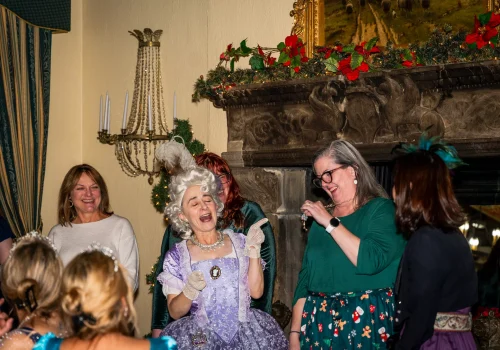
A hosted murder mystery takes this idea several steps further, adding characters, comic twists, and enough structure to make every guest part of the action. Mystery Cafe has built its reputation on exactly this kind of social sleuthing, and it is a strong fit when you want the entertainment to carry the evening instead of asking one friend to manage the whole show.
9. The Birthday Awards
Hand out lighthearted awards based on traits the group will recognize: Most Likely to Start a Dance Floor, Best Keeper of Secrets, Early Bird, Last One Standing, or Knows the Birthday Star Best. Invite guests to nominate one another, then have the honoree announce the winners.
Use paper certificates, toy trophies, or simply a dramatic acceptance speech. Avoid awards that might sting, especially around age, appearance, or old mistakes. The joke should always make the recipient feel included, not investigated.
Match the Game to the Guest List
If your group includes shy guests, start with a low-stakes icebreaker such as Birthday Bingo or trivia. Once people have talked to a few strangers, a more theatrical option like Pass the Story or a mystery game feels less intimidating. For an active party, use the photo hunt early, before heels come off and everyone claims a chair.
For virtual milestone birthdays, trivia, Name That Tune, and a guided mystery format translate particularly well. Send a short invitation explaining what guests need, whether that is a smartphone, a printed clue sheet, or simply a willingness to accuse a friend of imaginary cake theft. Clear expectations make participation much more likely.
You do not need to schedule games from the moment guests arrive until the candles are lit. One featured game plus one easy mixer is often the sweet spot. Leave room for catching up, eating, and the spontaneous stories that no host could script.
Give the Night a Case Worth Cracking
The most memorable milestone parties do not treat games as filler between food and dessert. They use them to turn a room full of guests into a cast of co-conspirators. Pick the format that suits the birthday star, give people permission to be a little silly, and let the evidence of a great night pile up.