

10 Remote Work Activities Teams Actually Enjoy
A quiet video call, a packed calendar, and one more request to “turn cameras on” is not a team culture strategy. The best remote work activities give people a reason to show up as themselves, trade a few laughs, and connect without feeling like they are completing mandatory fun.
For remote and hybrid teams, that distinction matters. People can collaborate perfectly well on a project board and still feel disconnected from the humans behind the tasks. A good activity creates a shared moment – ideally one with a little friendly chaos, a clear beginning and end, and no need for anyone to pretend they are thrilled about an icebreaker.
What Makes Remote Work Activities Worth Everyone’s Time?
The goal is not to fill 30 minutes between meetings. It is to create an experience that helps people communicate more naturally, notice each other’s strengths, and return to work with a bit more energy.
The strongest options have a few things in common: everyone can participate, the rules are simple, and nobody needs special equipment or a performance degree. They also respect the fact that people have different comfort levels. Not every employee wants to sing, act, or share their most embarrassing childhood photo with the entire department. Good hosts leave room for different personalities to join in their own way.
Timing matters, too. A five-minute warm-up can be perfect before a planning session. A 60-minute hosted experience makes more sense for an offsite, a quarterly celebration, or a team that has been working hard through a demanding season.
10 Remote Work Activities That Build Real Connection
1. Start With a Two-Question Check-In
Skip “How was everyone’s weekend?” and ask something with a pulse. Try, “What is one tiny win you had this week?” followed by, “What is one thing you are looking forward to?” The answers give teammates an easy way to learn what is happening beyond deadlines and deliverables.
Keep it optional and quick. This works best when leaders answer honestly first. If the manager gives a polished corporate response, everyone else will follow suit. If they say they finally fixed the leaky kitchen faucet, the room loosens up.
2. Run a Desk-Drawer Show and Tell
Give everyone two minutes to find an object near their workspace that has a story. It might be a suspiciously large coffee mug, a souvenir, a kid’s drawing, or an emergency snack stash that deserves its own security detail.
This activity is easy, low-pressure, and surprisingly revealing. It gives new hires a shortcut past the usual small talk and lets longtime teammates see something new about people they thought they knew.
3. Host a Lightning Trivia Round
Trivia works because it brings out competitive energy without requiring anyone to disclose personal information. Build a short round around broad categories such as movies, music, food, geography, or strange facts about your industry. Keep questions accessible rather than obscure enough to require a doctoral thesis.
For larger groups, use breakout rooms so people can huddle and choose answers together. The real team-building happens in the debate: “I am telling you, that is not the capital of Australia.”
4. Try a Virtual Scavenger Hunt
Call out prompts one at a time: something that makes noise, something older than five years, something you would bring to a deserted island, or something that is your favorite color. Participants race to find an item and return to the screen.
A scavenger hunt is particularly useful when a team has spent too much time sitting still. Keep the prompts inclusive and avoid anything that assumes people have a large home, private office, or specific type of workspace. The point is movement and laughter, not judging anyone’s decor.
5. Put the Team in Charge of a Mystery
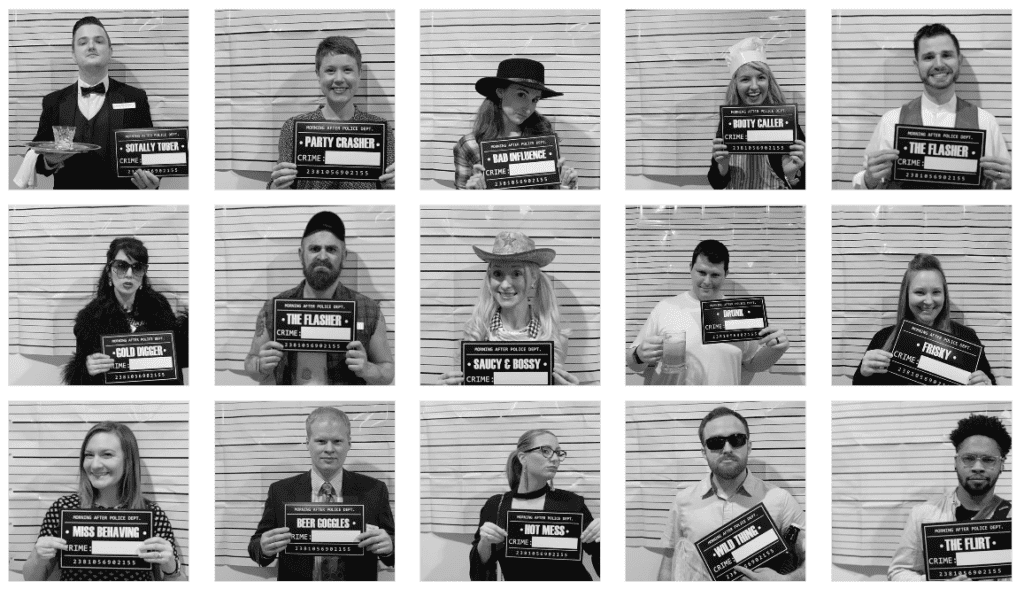
A hosted virtual murder mystery, CSI case, or escape room gives remote teams something many standard activities cannot: a shared mission. People have to listen closely, compare clues, question assumptions, and make decisions together before time runs out.
This format is especially effective for teams that groan at traditional icebreakers. Instead of being asked to “bond,” they get to investigate a suspicious situation, solve puzzles, and perhaps accuse a coworker of fictional crimes. That is a much easier sell.
Mystery Cafe brings the host, structure, humor, and plot twists, so the person organizing the event does not have to moonlight as a game-show producer. It is polished enough for a company celebration and playful enough to make a Tuesday afternoon feel less criminally dull.
6. Create a “Would You Rather” Case File
Use choices that invite opinions, not awkward disclosures. Would you rather have unlimited vacation but no coffee, or unlimited coffee but no vacation? Would you rather solve every technical problem instantly or never receive an unnecessary reply-all again?
Ask people to explain their reasoning in chat or out loud. The right questions spark harmless arguments and show how teammates think. Keep the scenarios silly, workplace-safe, and far away from politics or topics that could turn a fun break into an HR incident.
7. Run a Collaborative Playlist Exchange
Choose a theme such as “songs that get me through deadline week,” “road trip classics,” or “music for a dramatic entrance.” Each person submits one song and a sentence about why it belongs on the list. Then play a few selections during a virtual social hour or share the finished playlist afterward.
Music has a way of making distributed teams feel more human. Still, do not force anyone to share. Some people would rather solve a cipher than reveal their listening habits, and that is entirely fair.
8. Ask Teams to Build a Ridiculous Pitch
Put small groups in breakout rooms and give them an ordinary object to reinvent. Their assignment might be to pitch a banana as enterprise software, market a stapler to astronauts, or create a luxury brand for office chairs. Give them 10 minutes and let them present their masterpiece.
This is a useful remote activity for creative, sales, marketing, and product teams because it rewards quick thinking and collaboration. More analytical groups can enjoy it too, provided the brief is clear and the time limit is short enough to keep overthinking from taking the wheel.
9. Celebrate Wins With a Virtual Awards Show
Recognition does not need to arrive only in a formal performance review. Create playful award categories that honor real contributions: Best Calm-in-a-Crisis Energy, Spreadsheet Detective of the Month, or Most Likely to Catch a Tiny Error Before It Escapes.
Make sure every award feels kind, specific, and voluntary. The joke should never be at someone’s expense. A short awards segment can work beautifully at the end of a milestone meeting, especially when peers submit nominations ahead of time.
10. Hold a No-Work Virtual Coffee Break
This sounds almost too simple, which is why it is often neglected. Schedule 20 minutes where work talk is off limits. Give people one optional prompt, such as a recent recipe, a show worth watching, or the most overrated household chore.
No-work breaks work best with small groups and no hidden agenda. If leaders use the time to ask for status updates, the evidence is clear: it was a meeting all along.
How to Choose the Right Activity for Your Team
Choose based on the moment, not just what seems trendy. A brand-new team may need light conversation starters that reduce the awkwardness of unfamiliar faces. A team that already knows each other might be ready for a higher-energy challenge like an escape room or mystery game.
Consider group size and meeting fatigue. For a group of six, a coffee break or show and tell can feel natural. For 60 people, a hosted game with clear instructions and breakout rooms prevents the loudest few from taking over. If your team is stretched thin, do not schedule a two-hour event simply because the calendar says “team building.” A focused 45 minutes can do more good.
Also, make participation accessible. Offer captions when possible, avoid activities that require fast typing or physical movement as the only way to contribute, and make camera use a preference rather than a test of enthusiasm. Inclusion is not the boring part of event planning. It is what allows more people to enjoy the fun.
Make the Fun Feel Intentional
The best remote work activities are not a substitute for respectful management, fair workloads, or clear communication. They are the spark that helps a healthy team feel like a team rather than a collection of profile photos.
Pick an activity with a purpose, protect the time on the calendar, and let people have a little fun without asking them to justify it. After all, a team that can laugh together is far less likely to make a mystery out of who is going to help when the next big challenge lands.